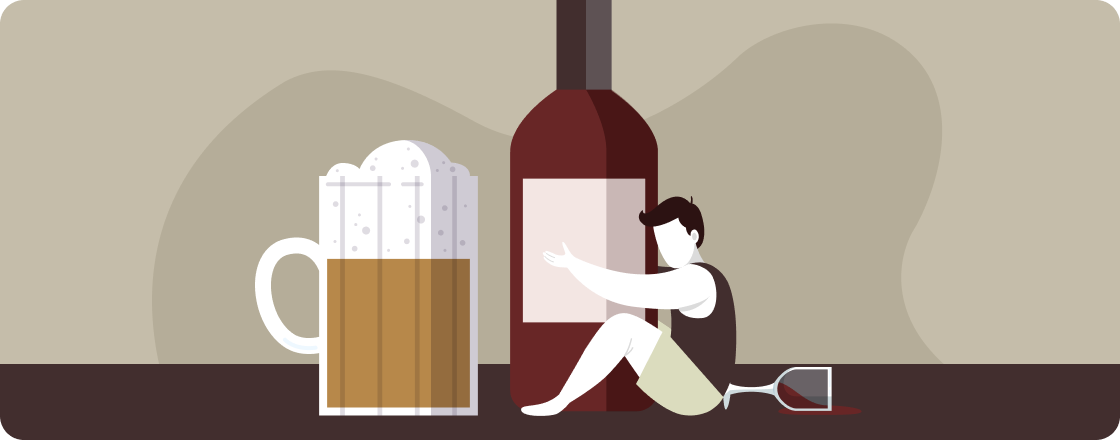
A lot of teens who end up in treatment will tell you they never thought they had a drug problem. They thought they had an anxiety problem, and they found something that helped.
That distinction matters more than most people realize.
The Anxiety No One Sees
Anxiety in teenagers does not always look like panic attacks or visible distress. It can look like a teen who refuses to go to parties unless they have a drink first. A teen who cannot fall asleep without a pill. A teen who seems fine at school but comes home and immediately reaches for something to take the edge off.
The Child Mind Institute notes that many teens who develop substance problems are doing exactly what it sounds like: managing real, untreated anxiety with whatever works fastest.
Research has found that anxiety predates substance use in roughly 75 percent of dual diagnosis cases involving both conditions. The anxiety came first. The substance came second, as a solution.
Nighttime Use as a Warning Sign
One pattern worth paying attention to is nighttime use.
Alcohol and benzodiazepines are both depressants that slow the nervous system, which is exactly what an anxious brain craves at the end of the day. A teen who drinks to fall asleep or takes a pill to quiet their thoughts before bed may not see that as misuse. It feels medicinal. It feels necessary.
Over time it becomes both.
The brain adapts to the presence of the substance and stops producing its own calming signals. Sleep becomes impossible without it. The anxiety that follows is often worse than the original anxiety the teen was trying to manage.
What Happens When They Stop
This is where things get clinically serious.
Stopping alcohol or benzodiazepines after regular use can trigger a rebound anxiety that is far more intense than anything the teen experienced before they started using. Panic attacks, insomnia, heart racing, a sense of impending doom. For many teens this feels like proof that they need the substance, when in reality it is withdrawal.
Benzodiazepine withdrawal in particular requires medical supervision. Stopping abruptly can be dangerous. This is one of the reasons residential or medically supervised detox is sometimes necessary even when a teen's use does not look severe from the outside.
Why Dual Diagnosis Assessment Changes Everything
Treating the substance use without addressing the underlying anxiety is like treating a wound without removing what caused it.
A proper dual diagnosis assessment looks at both conditions together and builds a treatment plan that addresses them at the same time. According to the Partnership to End Addiction, the majority of adolescents struggling with substance use may have an undiagnosed or untreated mental health condition driving the behavior.
For a teen self-medicating anxiety, recovery is not just about stopping the substance. It is about finally getting real help for what was there all along.




![[background image] landscape of school campus](https://cdn.prod.website-files.com/image-generation-assets/653ff018-8e96-4931-8582-34829221363c.avif)