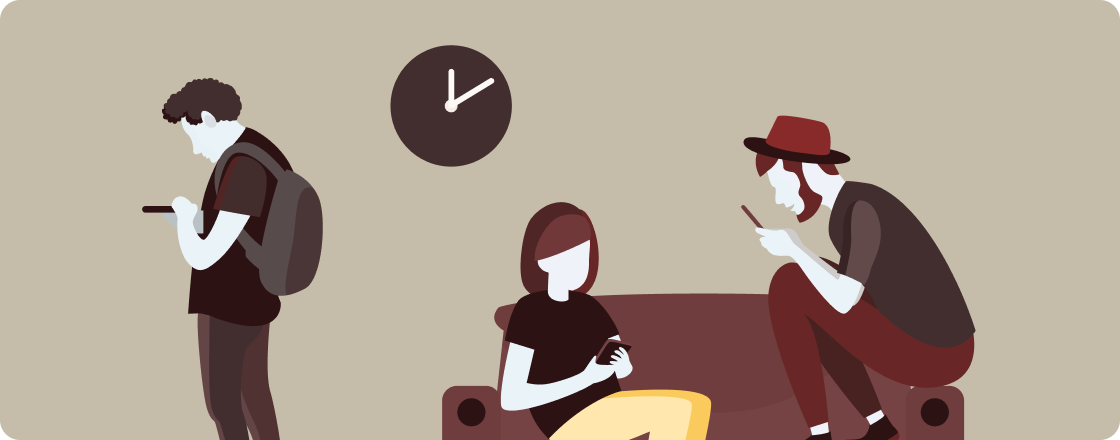
It’s no secret that teens are glued to their screens—but what often gets overlooked is how that screen time impacts their mental health. From TikTok marathons to late-night gaming, excessive device use is deeply tied to rising levels of anxiety, mood swings, and even ADHD-like symptoms in adolescents.
One of the biggest culprits? Poor sleep. Research shows that screen time—especially in the evening—interferes with melatonin production and delays sleep onset. The American Academy of Pediatrics notes that blue light exposure from screens suppresses melatonin, making it harder for teens to fall and stay asleep. And when sleep suffers, so does emotional regulation, memory, and focus.
For teens already struggling with anxiety or ADHD, lack of quality sleep makes symptoms worse. Restlessness, irritability, and difficulty concentrating are all side effects of both sleep deprivation and overexposure to fast-paced digital content. The result: teens who feel constantly tired and mentally overstimulated.
The nonstop nature of social media can also fuel comparison, isolation, and emotional burnout. The Journal of Adolescence found that higher social media use is correlated with increased anxiety and depressive symptoms, especially in girls. Doomscrolling, likes-based validation, and online conflict all take a toll on emotional well-being.
So what can parents do? Start by setting digital boundaries. Encourage screen-free time at least an hour before bed, and keep phones out of bedrooms overnight. Consider using app timers or parental controls to limit usage without resorting to punishment. Most importantly, talk openly with your teen about how screen time affects their mood, energy, and focus.
Device use isn’t inherently bad—but without limits, it can quietly erode your teen’s mental health. Awareness is the first step toward healthier habits, deeper sleep, and a more balanced mind.



![[background image] landscape of school campus](https://cdn.prod.website-files.com/image-generation-assets/653ff018-8e96-4931-8582-34829221363c.avif)