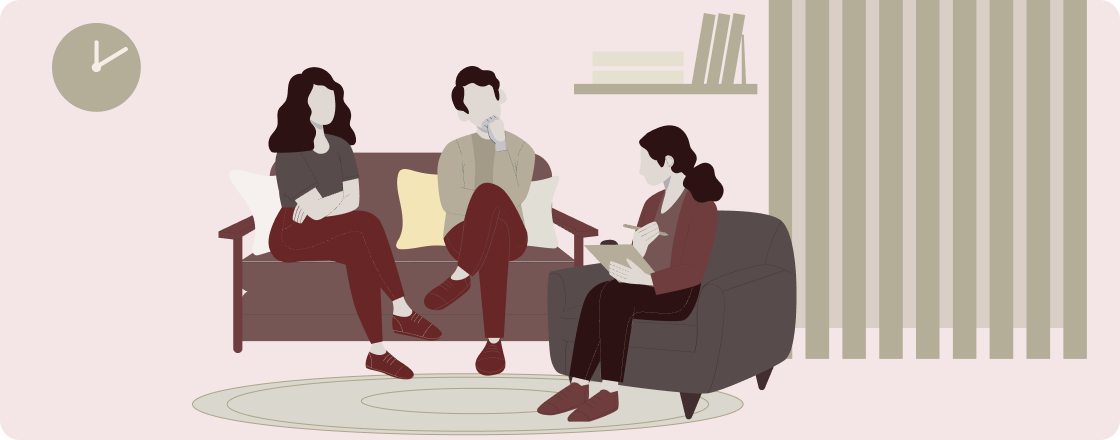
Self-harm in teens is more common than many parents realize—and it’s often misunderstood. Behaviors like cutting, burning, or hitting oneself can be deeply alarming, but they are rarely attention-seeking. More often, self-harm is a way for teens to cope with overwhelming emotions they don’t know how to express.
According to the Journal of the American Academy of Child and Adolescent Psychiatry, up to 17% of adolescents engage in non-suicidal self-injury (NSSI) at some point. These behaviors are often linked to depression, anxiety, trauma, or intense stress. While self-harm doesn’t necessarily mean a teen is suicidal, it is a red flag that your child is struggling and needs help.
The signs can be subtle. Long sleeves in hot weather, frequent “accidents,” or unexplained bruises and scars may be physical clues. Emotionally, you might notice irritability, withdrawal, or extreme reactions to minor stressors. Many teens feel shame after harming themselves and go to great lengths to hide it—so if your child opens up, listen without judgment.
What should you do if you suspect or discover your teen is self-harming? First, stay calm. Avoid punishment or guilt-tripping, which can intensify the shame cycle. Instead, open the door to conversation with compassion and curiosity. Say something like, “I noticed some marks, and I’m really concerned. Do you want to talk about what you’re feeling?”
Next, seek professional support. Therapists trained in dialectical behavior therapy (DBT) or trauma-informed care can help teens develop healthier coping skills and emotional regulation. The National Alliance on Mental Illness (NAMI) stresses the importance of early intervention and family involvement in treatment.
It’s also crucial to create a safe home environment. That may mean limiting access to sharp objects, setting tech boundaries, and modeling open emotional expression. Most importantly, let your teen know that they’re not broken—they’re in pain, and they don’t have to face it alone.



![[background image] landscape of school campus](https://cdn.prod.website-files.com/image-generation-assets/653ff018-8e96-4931-8582-34829221363c.avif)