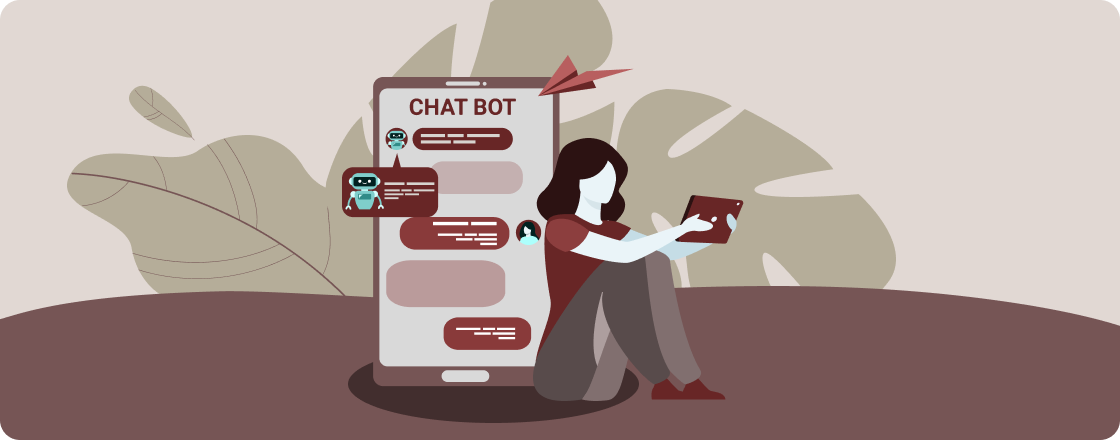
Today’s teens are more digitally connected than ever—and when they’re struggling emotionally, many are turning to AI chatbots or mental health apps before talking to a parent, teacher, or therapist. While these tools may seem harmless—or even helpful at first—the shift raises critical questions about safety, privacy, and the erosion of human connection.
AI chatbots designed to “support” mental health often use scripted empathy and keyword-based responses. Some teens report that chatting with an anonymous bot feels less intimidating than opening up to a real person. It’s instant, judgment-free, and available 24/7. But it’s also emotionally shallow. These tools can’t replace the nuance of human understanding, nor can they detect danger or provide true therapeutic insight.
What’s more concerning is that teens may begin to rely on these interactions while avoiding real conversations—especially when they’re feeling isolated, ashamed, or overwhelmed. Over time, this can worsen loneliness, reinforce avoidance behaviors, and prevent them from seeking meaningful support.
Privacy is another major concern. Many mental health chatbots collect data, track user interactions, or offer advice that’s unregulated. In 2023, the American Psychological Association emphasized that AI in mental health should augment—not replace—human care, especially for vulnerable youth.
So what can parents do? Start by asking, without judgment, whether your teen has ever used a chatbot or app to talk about how they’re feeling. Stay curious, not critical. Then, offer consistent opportunities for real conversations. Remind them that while apps can offer short-term relief, real healing happens in relationships—with people who know them and want to help.





![[background image] landscape of school campus](https://cdn.prod.website-files.com/image-generation-assets/653ff018-8e96-4931-8582-34829221363c.avif)