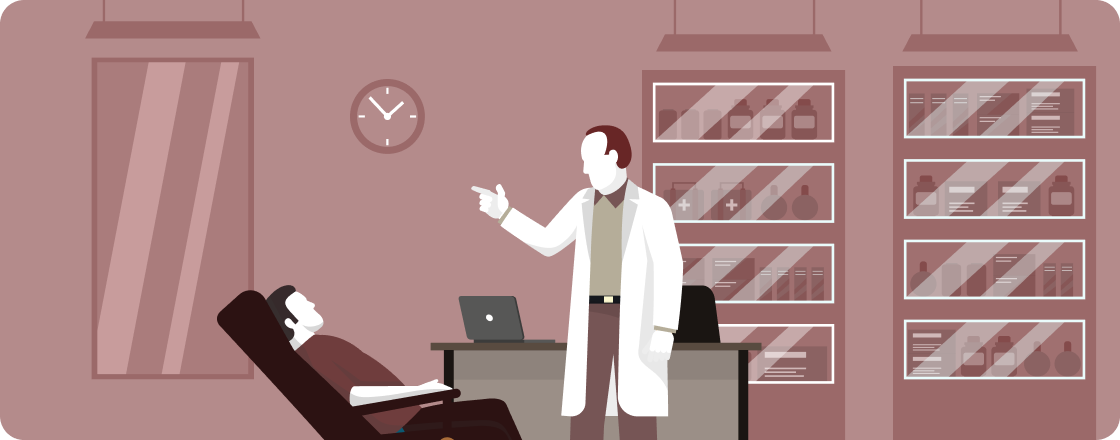
The first three days of residential treatment are often the hardest ones a teenager will face. They are also where the foundation of recovery gets built. Here is what actually happens during that window.
Intake
Intake is the first step. A clinician gathers a full picture of the teen's substance use, mental health history, medications, and family situation. According to SAMHSA, effective treatment must be tailored to each teen's specific needs rather than applied as a one-size-fits-all model. That information collected at intake is what makes that possible. For many families, this conversation is also the first time everything gets laid out honestly in one room, and that alone can feel significant.
Medical Evaluation
Medical evaluation follows closely. A physician screens for withdrawal risk and reviews lab work. The National Institute on Drug Abuse (NIDA) notes that when patients first stop using substances, they can experience a range of physical and emotional symptoms including restlessness, sleep disruption, depression, and anxiety. Medications are available to ease this process depending on the substance involved, and teens are monitored closely throughout.
Withdrawal Support
Withdrawal support runs through the bulk of those 72 hours. The body is recalibrating while the emotional weight of the situation arrives at the same time. This stretch is hard, and good programs are built to hold teens through it with around-the-clock nursing support and a peer community that understands what this particular kind of hard actually feels like.
Orientation
Orientation begins once the acute phase eases. Teens learn the daily structure, program expectations, and start meeting their treatment team, including their primary therapist, case manager, and residential counselors. That predictable routine is more therapeutic than it sounds for a teenager who has been living in chaos.
The Emotional Crash
The emotional crash is something most intake brochures skip over, but experienced clinicians know to expect it around day two or three. The adrenaline of arrival fades and a complicated grief moves in. Teens may feel shame, anger, or an exhaustion that goes deeper than physical. This is not a sign that treatment is failing. It is often the first sign it is working. When a teen can feel things again, even the hard ones, that is the beginning of real recovery.
A Note for Parents
Almost every teen says they want to come home during this window. Trust the process. The teens who stay almost always look back and say it was the right call.




![[background image] landscape of school campus](https://cdn.prod.website-files.com/image-generation-assets/653ff018-8e96-4931-8582-34829221363c.avif)